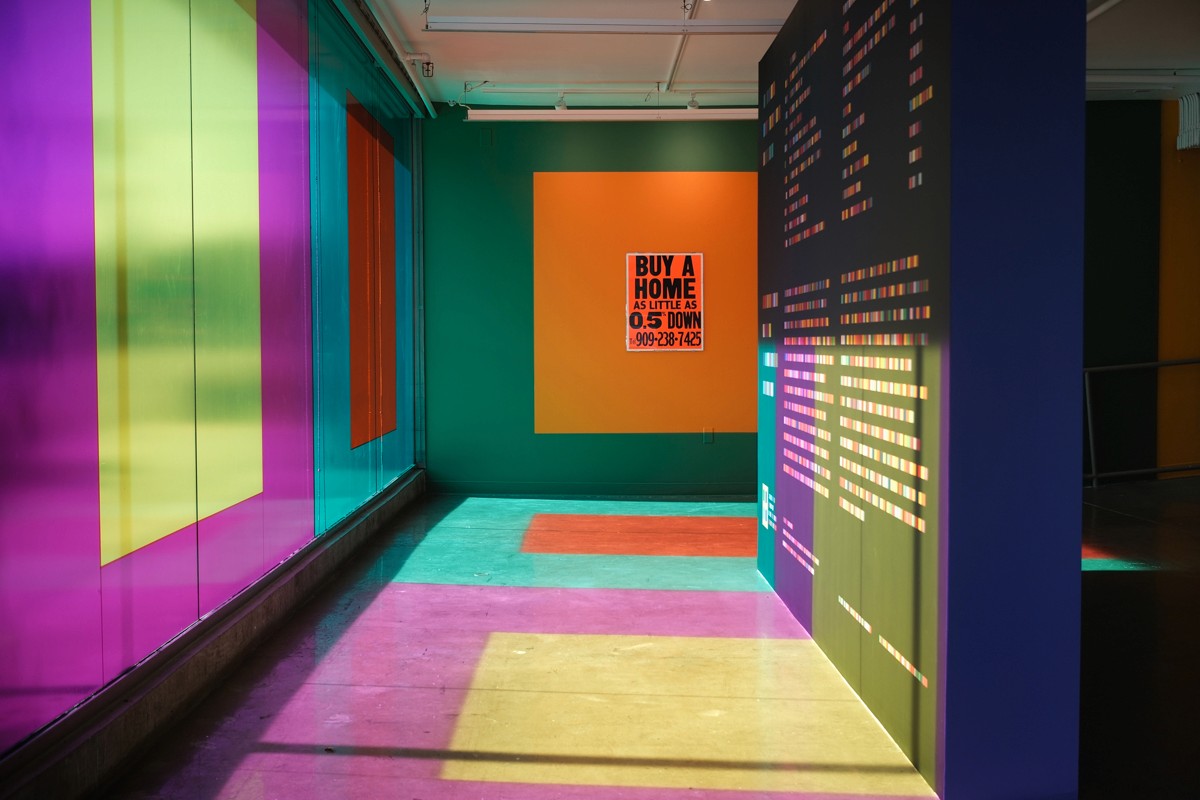
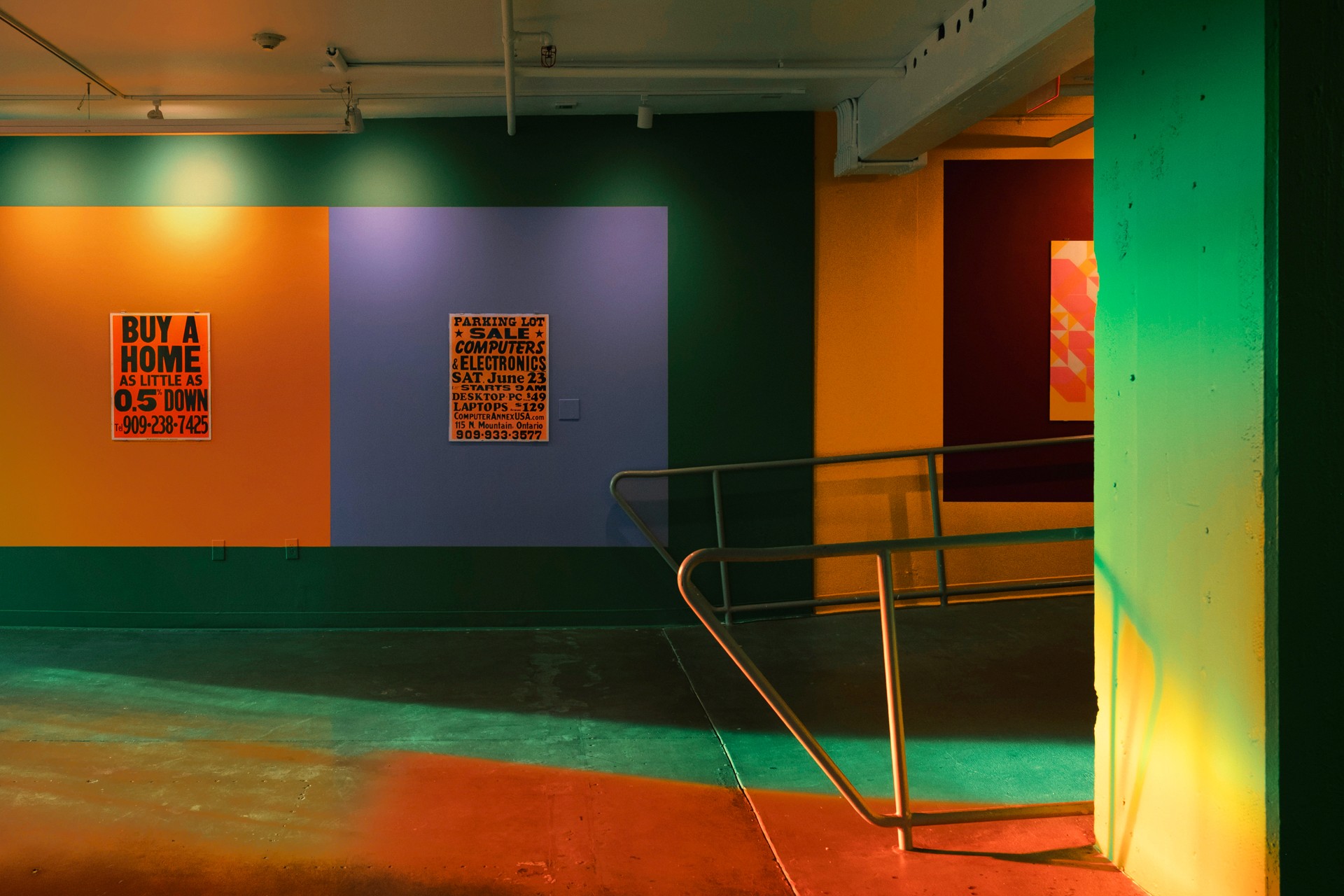
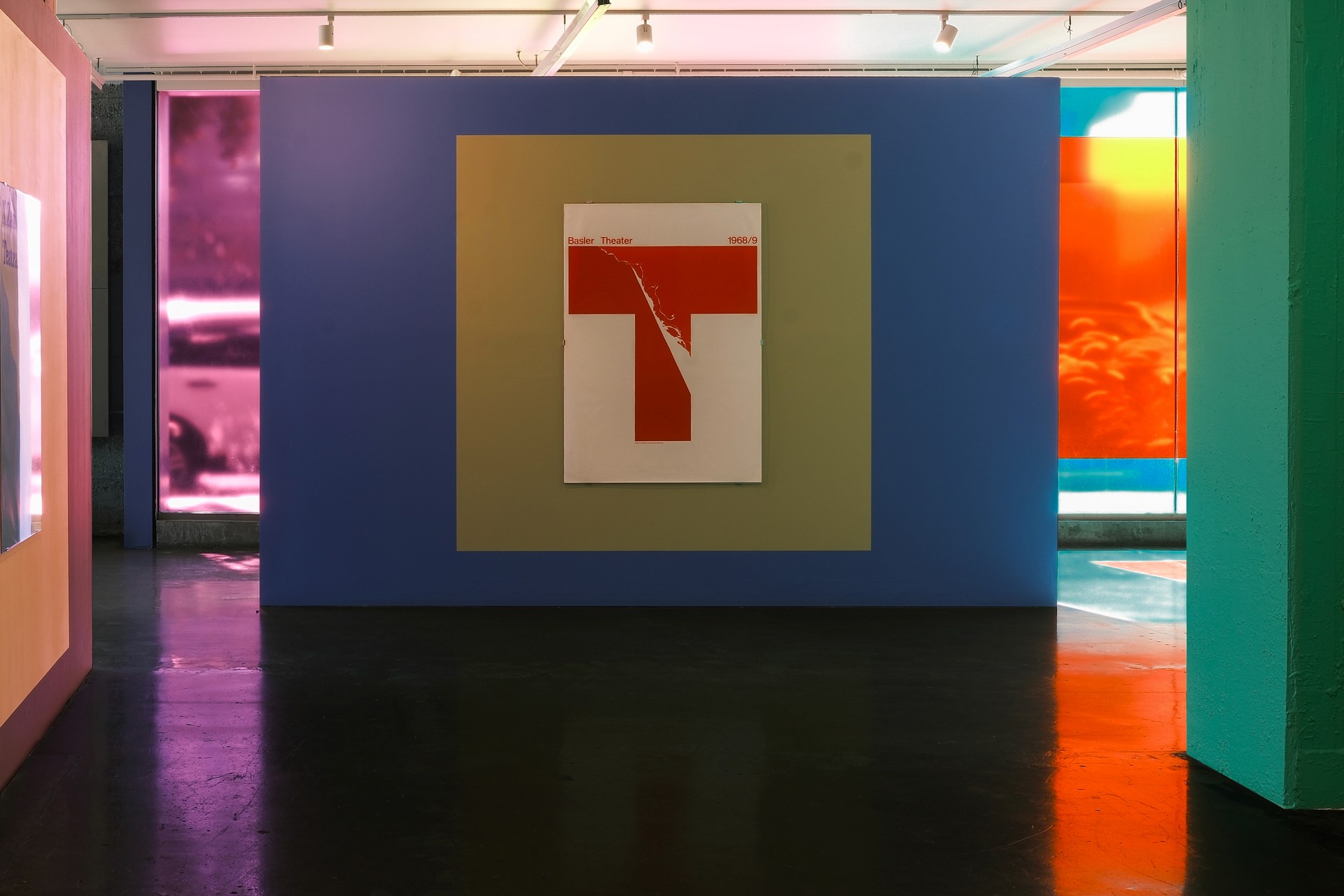
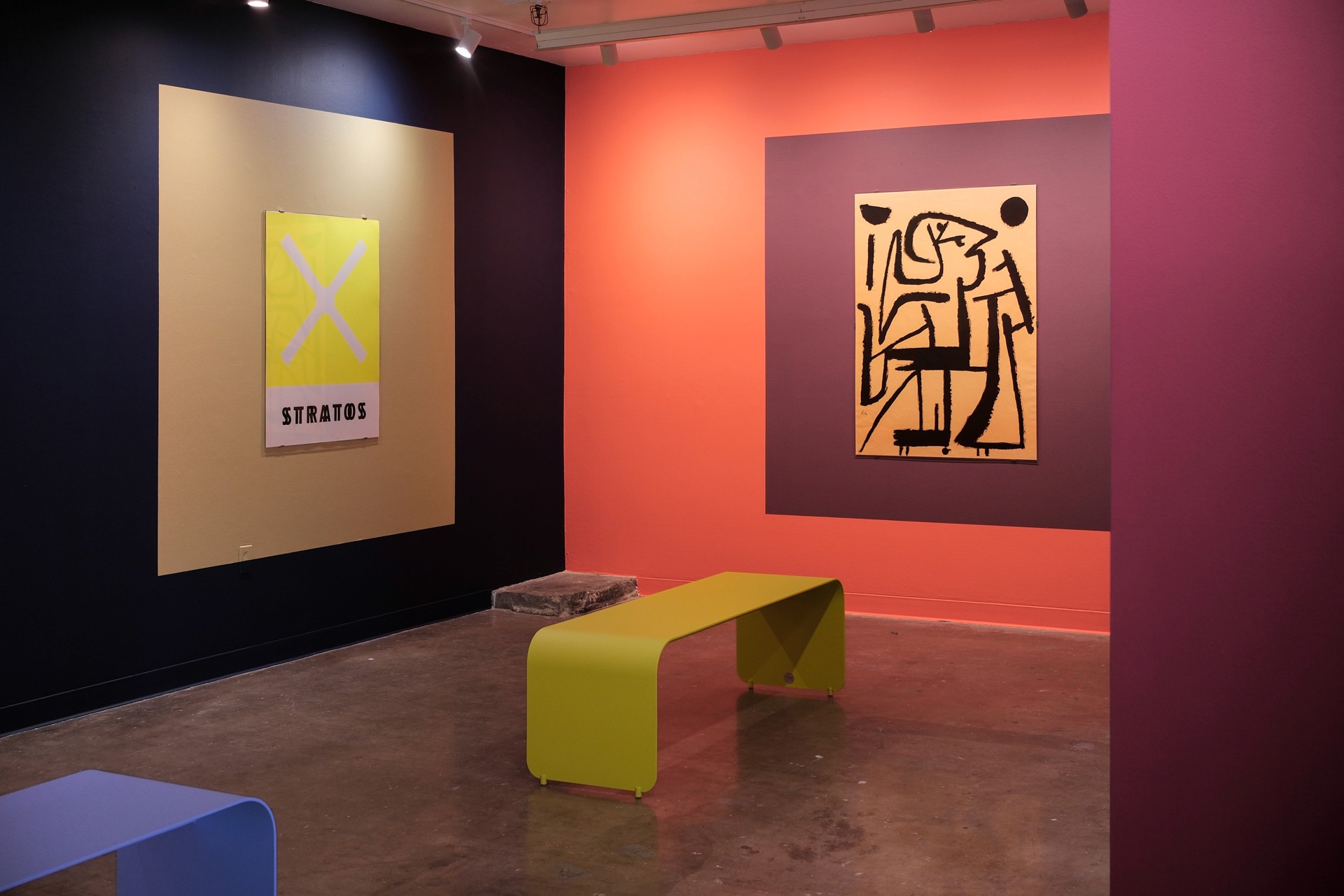
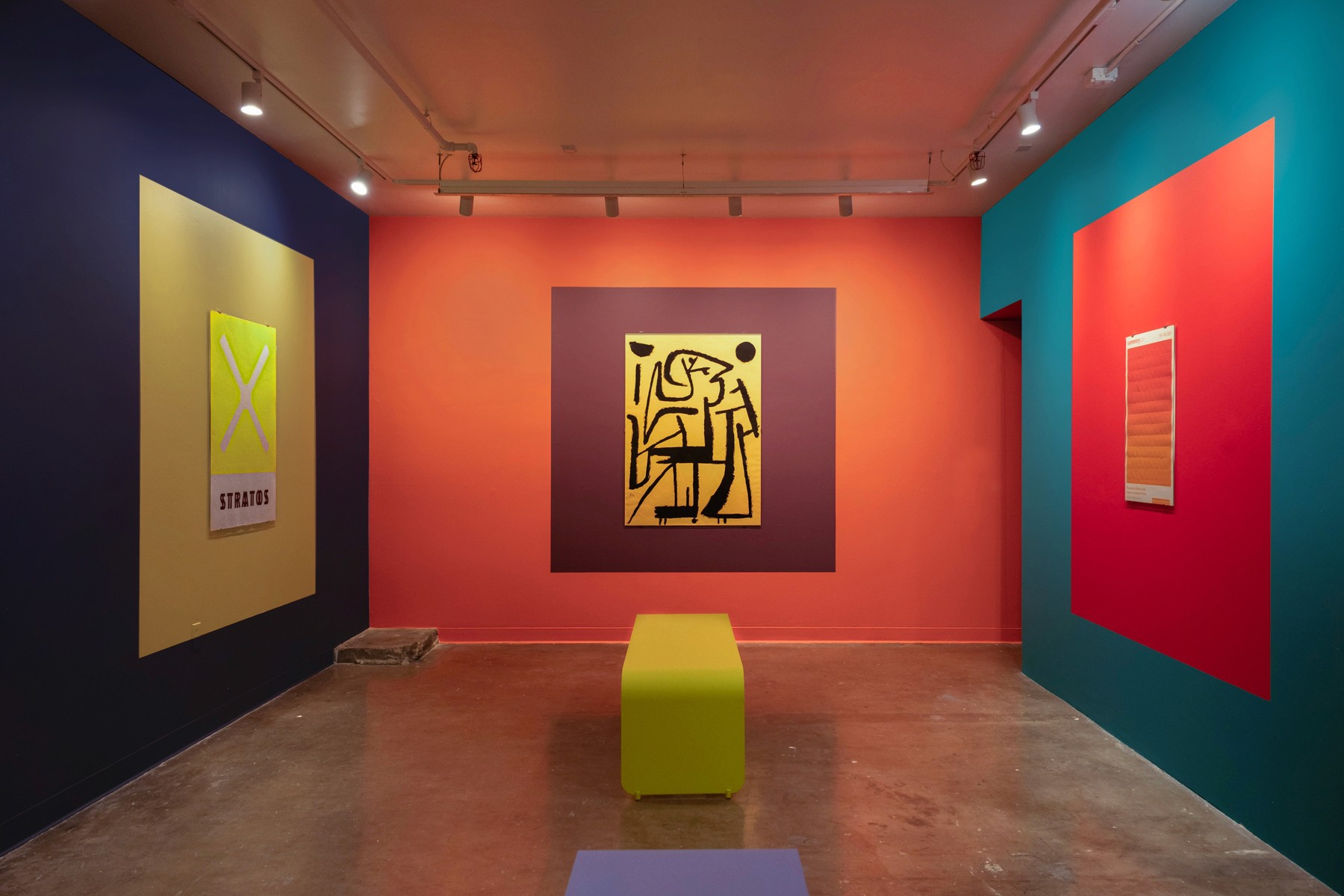
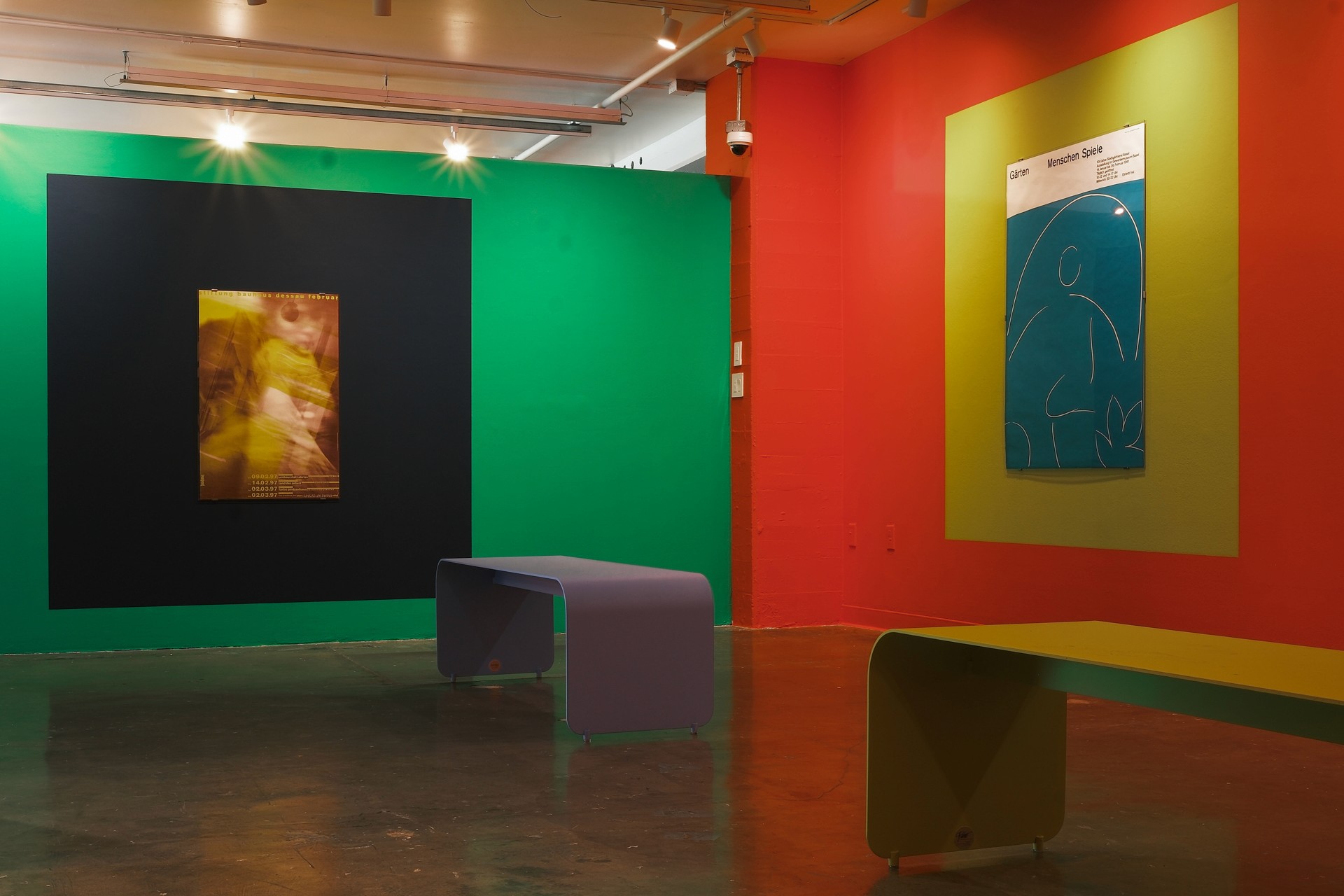
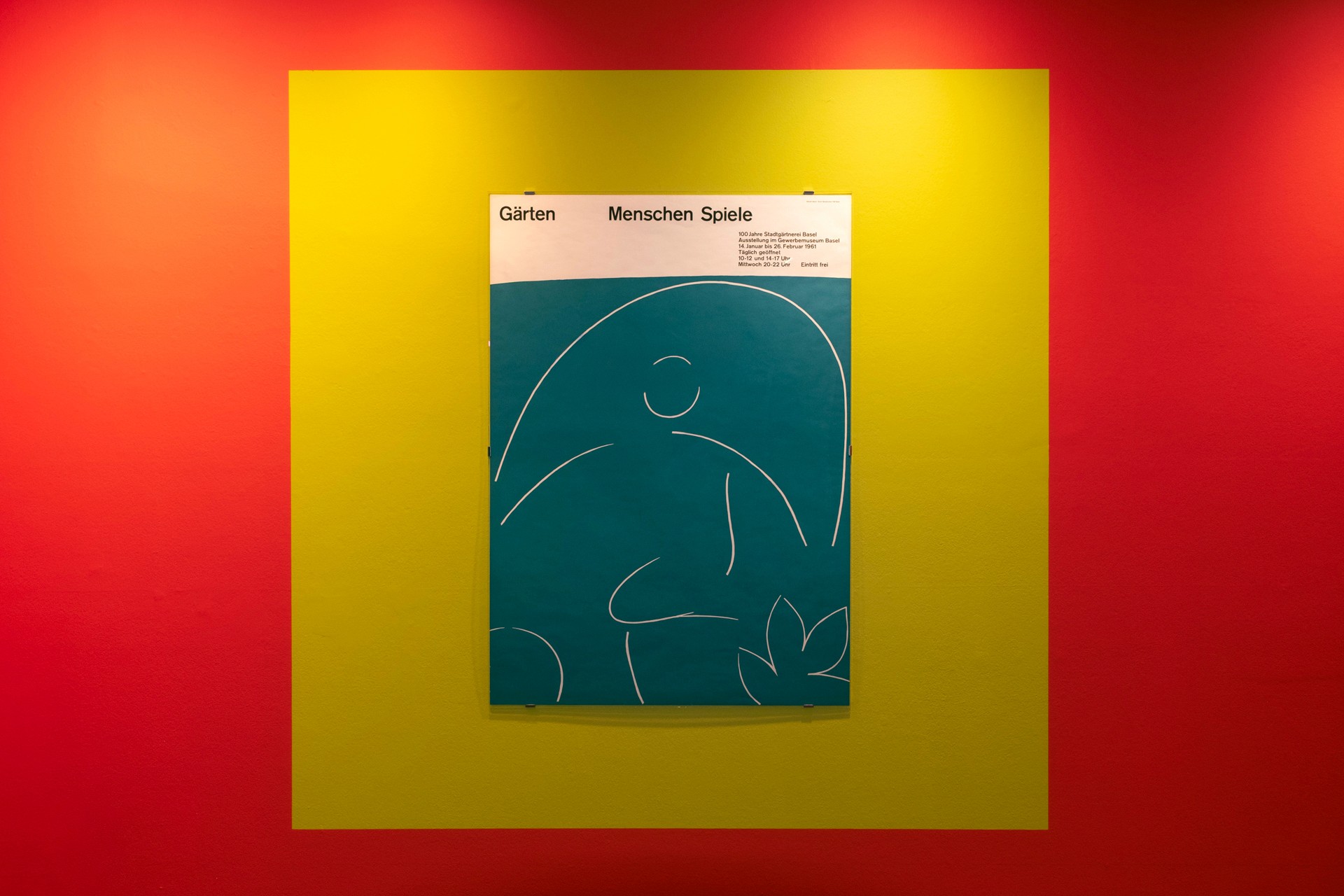
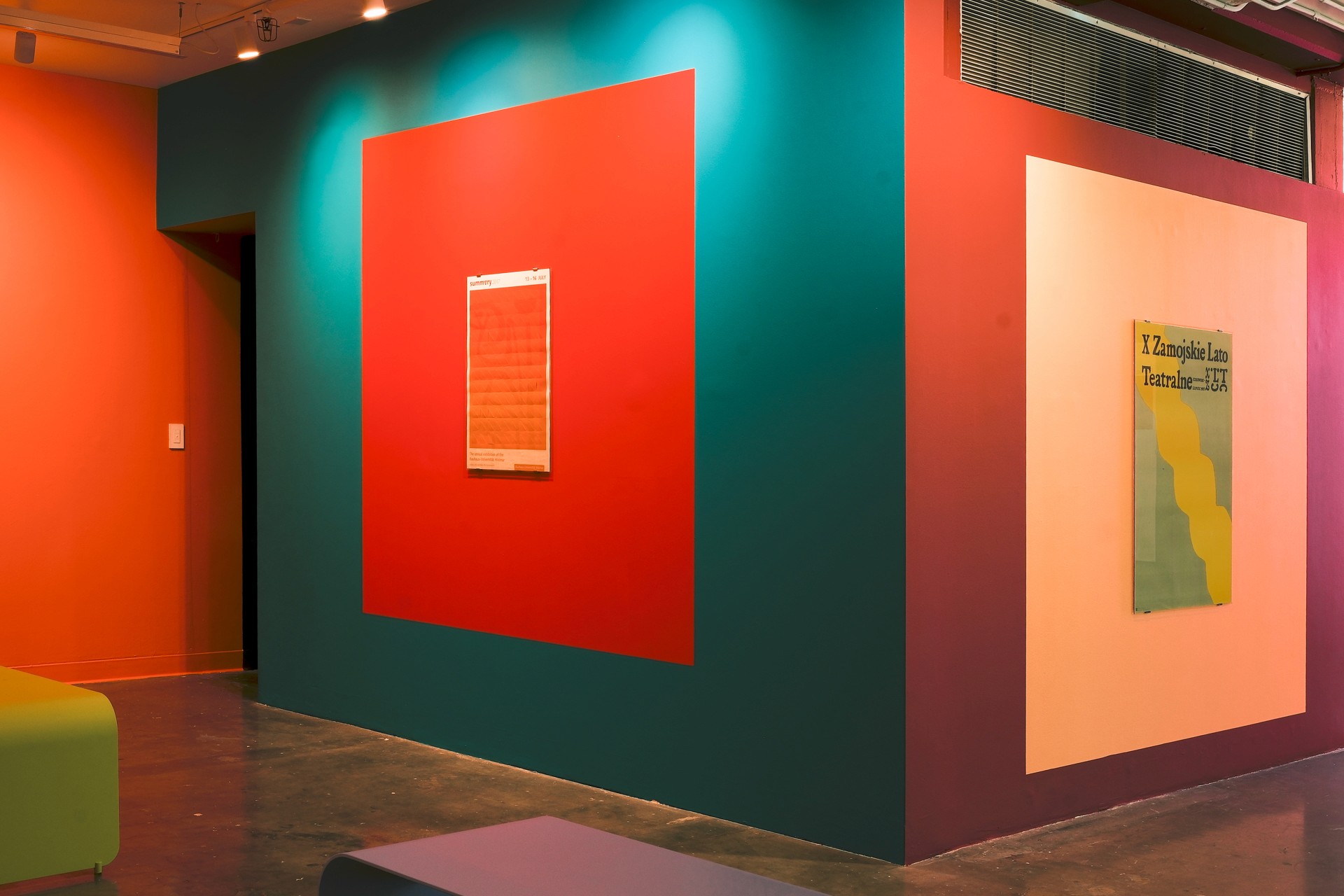
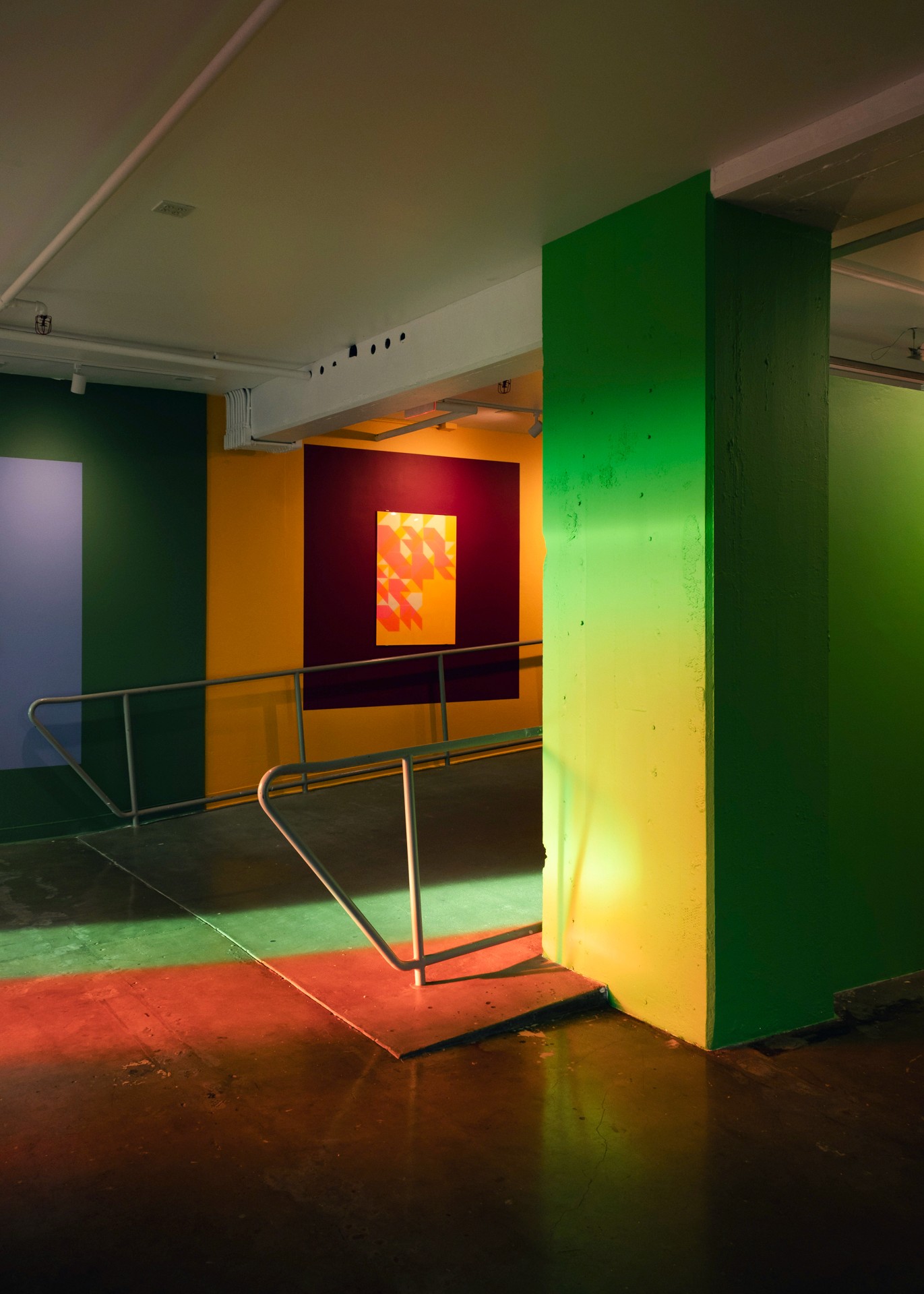
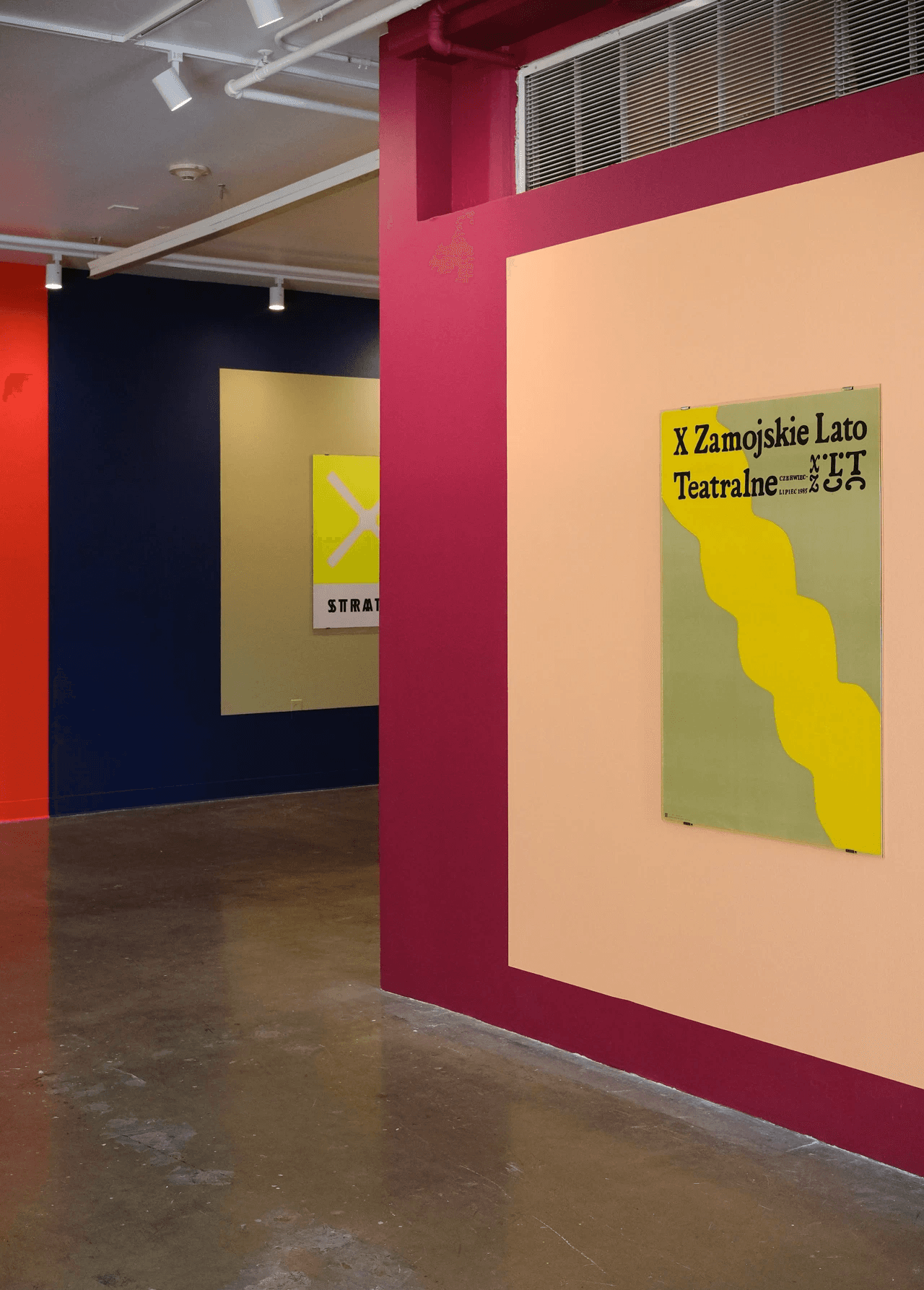
Color emerges through specific encounters. What seems like a fixed quality is a constant negotiation between the body and context. In graphic design, color is used deliberately to structure hierarchy or carry meaning. In traditional color pedagogy, it is often taught as a set of relationships that can be isolated, tested, and learned. Perception becomes something to be clarified and systematized. But color can bypass the rational mind, as a kind of non-linguistic communication, and perception is never neutral. This exhibition brings together posters from the HMCT Archive selected on the basis of color. The posters, rather than acting as individual examples of design, become part of a conversation where color’s main quality is contingent and relational: “a kind of bliss… a closing eyelid, a tiny fainting spell.” (Roland Barthes, 1979)
Color emerges through specific encounters. What seems like a fixed quality is a constant negotiation between the body and context. In graphic design, color is used deliberately to structure hierarchy or carry meaning. In traditional color pedagogy, it is often taught as a set of relationships that can be isolated, tested, and learned. Perception becomes something to be clarified and systematized. But color can bypass the rational mind, as a kind of non-linguistic communication, and perception is never neutral. This exhibition brings together posters from the HMCT Archive selected on the basis of color. The posters, rather than acting as individual examples of design, become part of a conversation where color’s main quality is contingent and relational: “a kind of bliss… a closing eyelid, a tiny fainting spell.” (Roland Barthes, 1979)


 |  |
 |  |


Component override
(do not delete this block)